
How Outdoor Play Builds Confidence, Curiosity, and Resilience in Children
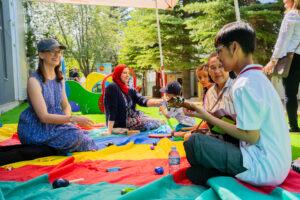
How Outdoor Play Builds Confidence, Curiosity, and Resilience in Children
Outdoor play is more than a chance for children to burn energy. It is one of the most natural and meaningful ways young children learn about themselves, others, and the world around them.
At Kepler Academy, outdoor time gives children the opportunity to explore, move, observe, imagine, and build confidence through hands-on experiences. Whether they are running, climbing, digging, collecting leaves, watching insects, or playing with friends, children are developing important skills that support their growth inside and outside the classroom.
Outdoor Play Encourages Physical Development
Children are naturally active learners. When they spend time outdoors, they use their bodies in ways that help build strength, balance, coordination, and motor skills.
Simple outdoor activities such as jumping, running, climbing, throwing, and balancing help children develop both gross motor skills and body awareness. These movements support healthy development and help children gain confidence in what their bodies can do.
Outdoor play also gives children more space to move freely, test their abilities, and develop independence in a safe and supportive environment.
Nature Sparks Curiosity and Discovery
The outdoors is full of learning opportunities. A puddle, a fallen leaf, a bee, a shadow, or a change in weather can become the beginning of a meaningful conversation.
Children are naturally curious, and outdoor environments encourage them to ask questions such as:
“Why is the ground wet?”
“Where do bugs live?”
“How do plants grow?”
“What happens when the wind blows?”
These moments help build early science, observation, and problem-solving skills. When educators support children’s questions, outdoor play becomes an extension of classroom learning.
Outdoor Play Helps Children Build Confidence
Trying something new can feel exciting and challenging for a child. Outdoor play gives children the chance to take small, age-appropriate risks, such as climbing a little higher, balancing on a beam, or exploring a new texture.
When children succeed, they feel proud. When something feels difficult, they learn to try again. These moments help children build resilience, patience, and confidence.
This type of learning is especially powerful because children are not just being told they are capable — they are experiencing it for themselves.
Social Skills Grow Through Outdoor Play
Outdoor play often encourages teamwork, imagination, and communication. Children may work together to build a pretend restaurant, create a game, collect natural materials, or take turns using playground equipment.
These experiences help children practice important social skills, including sharing, taking turns, problem-solving, listening to others, expressing ideas, and working as a team.
Because outdoor play is often open-ended, children have more opportunities to create their own games and negotiate roles with their peers.
Outdoor Time Supports Emotional Well-Being
Fresh air, movement, and open space can have a positive impact on a child’s mood and emotional regulation. Outdoor play gives children a healthy outlet for energy and can help them reset after more focused indoor activities.
For many children, time outside provides a sense of freedom, calm, and joy. It allows them to connect with their environment and engage in play that feels natural and meaningful.
Learning Happens Everywhere
At Kepler Academy, learning is not limited to the classroom. Outdoor spaces give children the chance to explore real-world concepts, strengthen relationships, and develop confidence through experience.
Whether children are discovering the lifecycle of a bee, noticing seasonal changes, or building friendships on the playground, outdoor play supports the whole child: physically, socially, emotionally, and cognitively.
Outdoor play is an essential part of early childhood development. It helps children move their bodies, ask questions, solve problems, build friendships, and develop confidence in themselves.
By creating opportunities for children to explore the world around them, we help them become curious, capable, and resilient learners.
Why Predictable Routines Help Children Feel Safe, Confident, and Ready to Learn
Children thrive when they know what to expect. Predictable…
Choosing the right early childhood education in Edmonton is one of the most important decisions a parent or caregiver can make. The early years shape…